BLACKFILE / PRACTICAL BLOG

Practical materials for decisions taken on incomplete information

We explain what can be checked before a transaction, how owners and connections are established, where a search for a person or assets begins and where the lawful limits of analytical work lie.

There is no news feed here and no general commentary. Each article answers a specific practical question and helps to understand what information is required for the next reasoned step.

An analyst comparing a corporate structure chart, a contract and an extract on a light-coloured table, the documents unreadable
DUE DILIGENCE / 01

How to check a counterparty before a deal

What information a standard extract confirms, where it ends and when it is necessary to check owners, activities, related parties and the circumstances of a specific transaction.

7 мин чтенияBLACKFILE Editorial & Investigations Team

02 / WHY THIS SECTION

Not more information. More understanding of what it changes

Open sources rarely provide a ready answer. Meaning appears once the subject has been identified, sources verified, connections compared and confirmed facts separated from assumptions.

The blog materials show the logic of this work through clear situations: before a partnership, a large payment, a search for a person, debt recovery, litigation or an assessment of personal risk.

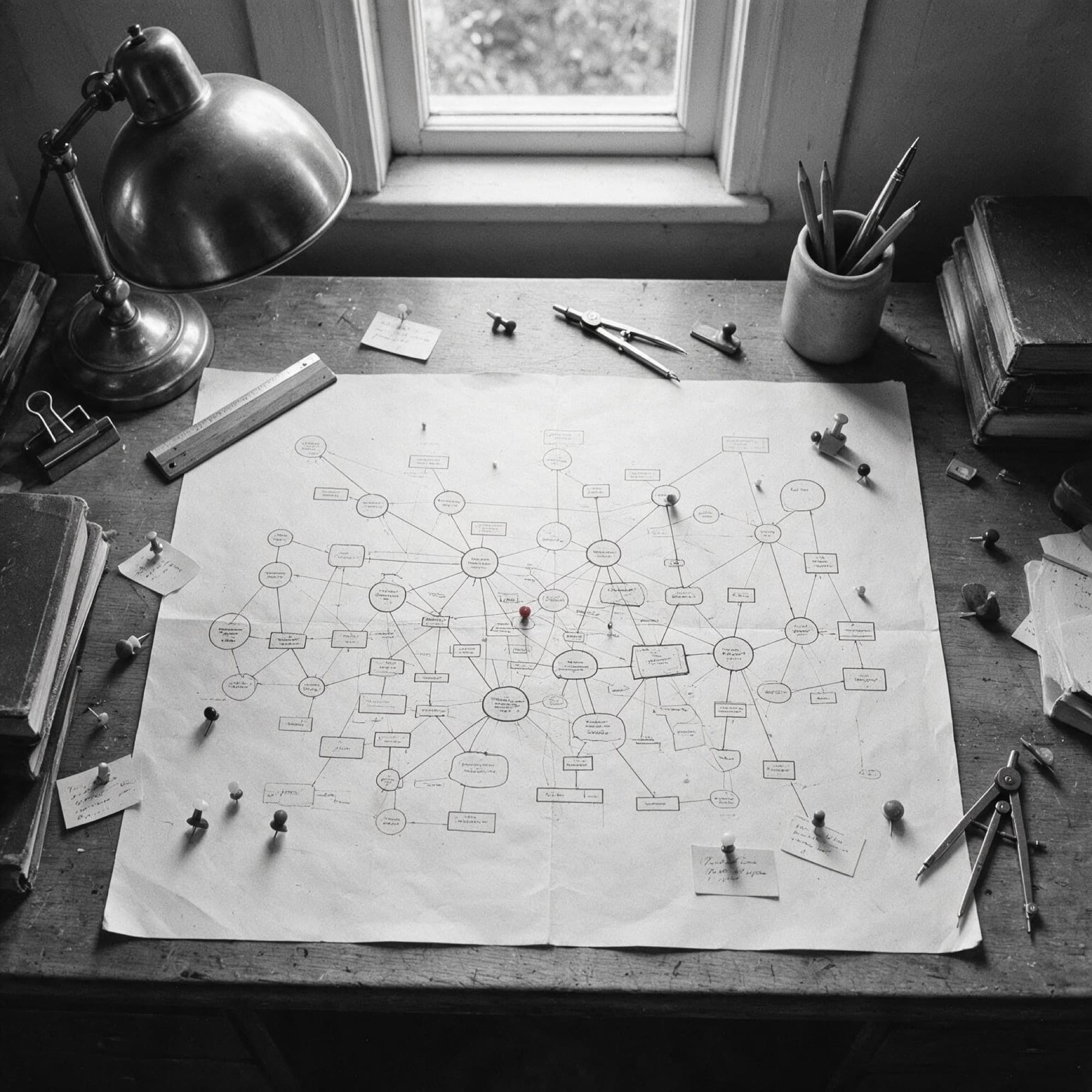
A five-step diagram: question, source data, verification, discrepancies, decision. The discrepancies point is marked as the key one.

03 / TOPICS

Choose the question your situation begins with

An analyst comparing a corporate structure chart, a contract and an extract on a light-coloured table, the documents unreadable
04 / IN FOCUS

How to check a counterparty before a deal

Formal registration answers the question of whether a company exists. For a decision on a payment or a partnership, what matters is understanding who controls it, how it operates and what circumstances may affect performance of obligations.

  1. 01What can a standard check confirm?
  2. 02Which indicators call for deeper work?
  3. 03How to tell whether the result of a check is fit for a decision?
05 / MATERIALS

Practical explanations for different stages of a decision

A businessman in profile reviewing working materials at a tableПОИСК ЛЮДЕЙ / 03

Red flags when checking an individual

Namesakes, inconsistencies in dates, concealed connections, bankruptcies, PEP status and deleted context: a system for assessing signals in which a conclusion is built on a combination of confirmations.

18 мин

Read the analysis
06 / WHERE TO START

If you do not know the name of the service - start with the decision you have to make

08 / PREPARATION

What to prepare before the first enquiry

Initial contact: how to describe the task without sending sensitive materials

What information is required for an initial assessment, what should not be sent immediately and when a secure channel is agreed.

Open the guide
A table set for a conversation: a blank notebook, a pen and a closed folder
09 / INTELLIGENCE CENTER

Research, international risks and methods

The blog answers practical client questions. The Intelligence Center covers broader developments: sanctions, jurisdictions, corporate structures, digital assets, political and regional risks.

  • Country Risk
  • Sanctions
  • Corporate Intelligence
  • Fraud & Corruption
  • Digital Assets
  • Methods
Go to the Intelligence Center
10 / HOW WE WRITE

Fact, conclusion and limitation must be distinguishable

Verifiability
Material statements must have a source or a clearly indicated analytical nature.
Currency
Legal, sanctions and country information subject to change carries a date of verification and update.
Confidentiality
Materials do not disclose clients, ongoing projects, internal sources or sensitive data.
Honest limitations
An article does not promise the outcome of an investigation, a search, recovery or a person's future conduct.
12 / INITIAL ASSESSMENT

Have not found material that describes your situation precisely?

Describe the task in general terms. At the first stage, do not send documents, bank details, personal data or other sensitive materials.