How a person in a high-risk situation was located without disclosing their whereabouts
The family lost contact with a journalist after he left the country and feared detention or coercion. The priority was not the speed of disclosing his address, but confirmation of his safety and contact that would not create a new risk.
- 4 countries - Georgia, Germany, Belgium, Switzerland
- 12 days - until independent confirmation of safety
- the address was not disclosed - not to the client, nor to anyone else
- consent - a mandatory condition of any contact
A particularly sensitive anonymized matter. Identifying details have been altered; the publication does not disclose the client, the person located, or other participants. The country of origin, views, route, place of residence and address are not published. The material contains no statements regarding the person's legal status, persecution, or the actions of any state authorities.
Проверено: 3 августа 2026Время чтения: 15 минутBLACKFILE Editorial & Investigations Team

The task was defined as an independent safety verification and, subject to his consent, arranging secure contact - not as establishing his location for transmission to the family.
The range of countries considered. The person's country of origin, travel route and place of residence are not disclosed in the public version, to any extent.
From agreeing the legal boundaries to independent confirmation of safety. Obtaining consent and preparing contact took additional time and was not accelerated.
The person was found alive and not under duress. The decision on contact was his to make. Had he declined, the family would have received only confirmation that he was alive and safe.
The combination of work streams was selected based on the requirement not to create additional risk for the person, not on considerations of speed.
Names, precise dates, country of origin, views, route, place of residence and legal status have been altered, generalized or excluded. Publication was agreed to an extent that does not permit identification of the participants.
Disappearance at a moment of heightened risk
The enquiry came from the family. The person in question worked as a journalist and, shortly before the enquiry, had left the country where he lived. In the first weeks he made brief, irregular contact, then the messages stopped altogether.
In an ordinary situation such silence is worrying but not alarming. Here it meant something else. The family knew that the situation around the person had been tense before his departure, and considered the worst-case scenarios: detention, coercion, an inability to communicate freely. None of these scenarios was confirmed, but none was ruled out either.
By the time of the enquiry the family had already begun acting on its own, doing what most people do: writing to acquaintances, questioning people from his professional circle, posting cautious messages in closed chats. Each such action widened the circle of people who knew he was being searched for.
The task was formulated in the only form permissible for such a situation: to confirm that the person was alive and not under duress, without in any way increasing the risk to him. Not to find his address. Not to establish where he lived. Not to determine what exactly had happened.
The priority here is the reverse of the usual. In most engagements, speed of obtaining information is an advantage. In a high-risk situation, speed can cost a person their safety, and a slow, careful route turns out to be the only possible one.
Here the value of the work is measured not by what was learned, but by the fact that no new risk was created in the process.
Why an ordinary search could have caused harm
Methods that are normal for an ordinary search for a person become a source of threat in a situation of elevated risk. The analysis begins with a list of what must not be done, and why.
- 01
Widening the circle of those aware
Every question put to a third party adds one more person who knows that someone is being searched for. In closed professional communities such information spreads within days and may reach people who should not know about the search at all.
- 02
Public appeals and posts
A social media post seems like a harmless way to widen the reach. In practice it creates a public trace linking the person's name to the fact of their disappearance, and that trace remains permanently.
- 03
Direct attempts at contact
A call or message to any known channel may be noticed by more than its intended recipient. If the family has grounds to suspect that communications are being monitored, a direct attempt to reach the person becomes a signal of where to look for them.
- 04
Turning to unverified intermediaries
People who offer to "find someone through databases" are doubly dangerous in such matters: they bear no responsibility for the consequences, and the very fact of the request to them can become a commodity.
- 05
Mapping a person's connections
Any work with a person's environment builds a map of their contacts. If that map ends up in the wrong hands, it will point not only to them, but to those who helped them.
- 06
Haste as a source of error
Pressure of circumstances pushes toward quick action. But in matters of this kind a wrong step cannot be undone: the consequences fall not on the client and not on the investigator, but on the person being searched for.
A minimal-disclosure model
The work was built on a single principle, set down in writing before the project began: to collect and disclose the minimum sufficient to answer the question of safety. Not the maximum available, but the minimum necessary.
In practice this meant several strict rules. Under no circumstances is the address established or the physical location of the person recorded. No information is collected about the person's environment or about people who might be helping them. The circumstances of their departure, their views, and any matters unrelated to their safety are not examined.
The scope of what is passed to the client was likewise limited. From day one the family knew it would receive an answer to the question of safety, and nothing beyond that. No location, no description of the surroundings, no details from which either could be inferred.
Such self-limitation looks paradoxical for search work, but it rests on a simple calculation. Information that is not collected cannot leak. Information that is not disclosed cannot be used by a third party - including through carelessness on the part of the family itself.
This was explained to the client directly and before signing. The client agreed that even in the event of success, they would not learn where their relative was, unless the relative decided otherwise.
The project did not involve access to devices, accounts or correspondence, covert surveillance, contact under a false pretext, approaches to third parties from the person's environment, or any action capable of indicating their location.
How the international versions were verified
Four countries were under consideration: Georgia, Germany, Belgium and Switzerland. None was confirmed at the outset - all four were hypotheses of varying degrees of plausibility, traced back to fragmentary messages and to the logic of movement.
Verification was conducted solely on lawfully available grounds and to an extent that did not touch the person themselves. We do not describe the methods applied here in further detail: in matters of this kind, a public description of methodology itself reduces its usefulness and may harm other people in a similar position.
What can be said about the principles: each hypothesis was verified independently of the others, so that one error would not drag along a chain of others. A negative result was recorded with the same care as a positive one: two of the four countries were excluded on the fifth and seventh days respectively, which substantially narrowed the frame. No assumption was elevated to the status of fact without confirmation on several independent grounds.
A separate limitation concerned time. In matters of this kind, outdated information is more dangerous than its absence: it directs the family and, more importantly, may direct someone else. For this reason every conclusion was accompanied by an indication of the moment to which it related.
By the tenth day one hypothesis remained, confirmed by several independent grounds. The family was informed of this in the same wording as always: not "we have found them", but "three of four directions have been excluded, we are working with the remaining one"

Only verified statuses are disclosed
Five stages of work. The moment marked in red changed the client's decision. Schematic representation: methods, sources, geography and any identifying details are not disclosed.
Факт. Contact was lost in a setting where the family did not rule out coercion.
Решение. The person's safety, not the speed of obtaining information, was set as the priority.
Факт. Verification was carried out without contact with the person, their circle, or recording of location.
Решение. A model of minimal disclosure and a list of excluded actions were recorded in writing.
Факт. Independently confirmed: the person is alive and not under coercion.
Решение. The family received an answer to its question - without the country, city or circumstances.
Факт. The person was informed of who was looking for them, without disclosure of the information established and without any inducement to respond.
Решение. The decision on contact and its format was made by the person themselves.
Факт. The channel of communication was agreed taking into account the person's own assessment of safety.
Решение. The role of the investigator ended at first contact and the handover of materials to lawyers.
Факт. Contact was lost in a setting where the family did not rule out coercion.
Решение. The person's safety, not the speed of obtaining information, was set as the priority.
A diagram of five states: risk, safe verification, status confirmation, consent, secured contact. The third state marks the turning point that changed the client's decision.
Independent confirmation of safety
On the twelfth day independent confirmation was obtained: the person is alive, is in an independent position, and is not under duress. This was the answer to the question for the sake of which the work had begun.
The word "independent" is key here. A single basis is not sufficient in matters of this type: confirmation must rest on several sources that are not connected to one another, otherwise a single error or a single deliberate distortion skews the entire picture. A match on one indicator in such a situation confirms nothing.
The wording of the result was cautious and remains so. It was established that there were no signs of coercion at the time of the check. This is not the same as a guarantee of safety going forward, and it is not an assessment of the person's overall circumstances - such an assessment is made by specialized professionals and authorized bodies, not an analytical team.
What was not established was considerably more extensive. The person's legal status, plans, circumstances of departure and reasons for silence were not determined. None of these questions relates directly to safety, and a private contractor has no right to answer any of them.
The family was given exactly what had been agreed: confirmation that the person is alive and not under coercion. Without country, without city, without circumstances, without details.
The absence of established signs of coercion at the time of the check is the result. It is not a guarantee of safety going forward.
Consent before restoring contact
Only after safety was confirmed did the question of contact arise - and it was decided neither by the family nor by the contractor.
Outreach to the person followed the most cautious scheme possible. He was told who was looking for him and for what purpose, without disclosing what information had been established, and without any inducement to respond. Separately, and first of all, it was explained that a refusal carries no consequences, that no information about him would be passed to the family, and that no one would contact him again.
In a situation of heightened risk, this caveat matters more than in an ordinary search. A person who has grounds to fear for his safety must understand that being contacted is not the start of pressure and that a refusal will not be followed by a second attempt or by the disclosure of information to anyone.
An intermediate option was also provided for: confirming to the family that he is well without establishing direct contact. In matters of heightened risk, this option is chosen more often than is commonly assumed, and it too counts as a result.
In this matter, the person agreed to contact. He chose the format and timing himself, and the channel of communication was agreed based on his own assessment of safety, not the convenience of the family or the contractor.
What is confirmed, what is assessed, and what remains a limitation
Confirmed
documentary or official basis- the family relationship of the applicants, confirmed by documents
- duration of work: 12 days before independent confirmation
- countries considered: Georgia, Germany, Belgium, Switzerland
- the person is alive and in an independent position
- no indications of coercion at the time of verification
- the person's consent to contact, obtained before it was arranged
Assessed
analytical conclusion with an indication of confidence level- exclusion of three of the four directions considered - high confidence
- the person's independent status at the time of verification - high confidence
- the currency of the confirmation as of the date obtained - high confidence
- absence of any public trace created by actions under the project - medium confidence
Limitation
what cannot be stated publicly- location was not established, not recorded, and not disclosed to anyone
- the person's legal status was not assessed and is not published
- the fact of persecution, or its absence, is not established: this is the competence of the authorized bodies
- the actions of any state's authorities are not assessed
- the absence of indications of coercion at the time of verification is not a guarantee of safety going forward
- methods and sources of verification are not disclosed: public description reduces their usefulness and harms other people
The public version of the panel is anonymized. Country of origin, views, route, place of residence, address, sources and methods are not published; the wording used describes the structure of the material, not its content.

Referral of materials to specialized lawyers
Some of the questions that arose in this matter fell outside the competence of the analytical team - and this was clear from the outset.
With the person's own agreement, materials relating to his situation were passed to specialized lawyers working in the relevant jurisdiction. He determined the scope of what was passed, not the family and not the contractor. Further work proceeded directly between him and his legal representatives.
The limit must be stated directly here. BLACKFILE does not assess a person's legal status, does not determine the presence or absence of grounds for procedures of an international nature, and does not draw conclusions about the actions of state authorities of any country. All of this is the competence of authorized bodies and specialized lawyers.
It is also worth stating what a private company does not replace. If there is a threat to life or health, the proper addressee is the police and the authorized bodies of the relevant country. A private contractor does not have their powers, does not have access to their tools, and cannot act in their place. We tell clients this before the work begins, not after.
The company's role in this project ended with the handover of materials and the arrangement of the first contact. BLACKFILE did not take part in the negotiations, in subsequent communication, or in the legal procedures.
What a family should do if a person is under threat
First and foremost. If there are grounds to believe that a person is in danger, the first addressee is the police and the authorized bodies of the relevant country. No private company replaces them or should attempt to.
Second. Do not widen the circle of people who know. Every new person who learns of the search is an additional channel through which information can reach the wrong place. This is difficult: in distress, the instinct is to tell everyone and ask everyone for help. But it is precisely this instinct that most often creates the risk.
Third. Do not post appeals on social media and do not place announcements. A public trace permanently links the person's name to the fact of disappearance and is accessible to everyone, including those from whom he may have been fleeing.
Fourth. Do not attempt to reach the person directly through every known channel at once. If there are grounds to suspect that communication is being monitored, such an attempt becomes an indication that the person is being searched for, and by whom.
Fifth. Record what you know, but do not speculate. Dates of the last confirmed contacts, the channels of communication used, and the general circumstances of departure. Mark assumptions as assumptions - this will save weeks spent checking other people's guesses.
Sixth. Be prepared for the possibility that the person may not want contact. This is their right, and it is not overridden by kinship, by anxiety, or by how much effort has gone into the search. Confirmation that the person is alive and safe is also a result, and in higher-risk matters it is often the only possible one.

Does this apply to your situation
Indicators of a matter where the priority is not speed but the absence of additional risk to the person. This is not a diagnosis and not a promise of a result.
- contact was lost in a setting where you do not rule out coercion
- ordinary search methods may increase the risk to the person
- the situation involves several countries, none of which has been confirmed
- what matters to you is confirmation of safety, not establishing an address
- you are prepared to accept the person's decision, including refusal to make contact
- coordination with specialist lawyers in another jurisdiction is required
If there is reason to believe that a person is in immediate danger, the first point of contact is the police and the authorities of the relevant country. A private company does not hold their powers and does not replace them.
Questions and answers
The priority is not the speed of obtaining information but the absence of additional risk to the person. Actions normal for an ordinary search are excluded: approaching the person's circle, public notices, direct attempts at contact. The volume of information collected is limited to the minimum sufficient to answer the question of safety, and the location is not recorded at all. This route is slower and yields less information - that is the point of it.
The basic principle: information that has not been collected cannot leak, and information that has not been passed on cannot be used. The location is not established or recorded, the circle of people within the project who are informed is limited, and only confirmation of safety is passed on to the client. In addition, any actions that would leave a public trace or indicate that the person is being searched for are excluded.
Yes, without exception. An adult decides for themselves whether to maintain contact, and in a situation of heightened risk this is all the more essential. They are told who is looking for them and why, without disclosing the information established and without pressing them to respond. A refusal carries no consequences and does not result in any information being passed to the family, other than confirmation that the person is alive and safe.
Yes, and in matters of this type that is a normal part of the work. The volume of materials transferred and the recipient are determined by the person themselves, not by the family or by the firm. Further interaction takes place directly between the person and their legal representatives. BLACKFILE does not assess legal status, does not provide legal opinions and does not take part in proceedings.
The general progress of the work and, once obtained, confirmation of safety. The country, city, circumstances and any details from which the location could be inferred are not reported. This scope is agreed before the work begins, not after its results: the client knows from the outset that even if the work succeeds, they will not learn where the person is unless the person decides otherwise.
Enquiries without a confirmed legitimate interest. Enquiries whose purpose is to establish a person's location against their will. Enquiries connected with harassment, pressure or control. Enquiries from persons whom the individual may reasonably fear. Where there are signs of a threat to life, the matter is referred to the competent authorities: a private company does not replace them.
How to read this material
BLACKFILE verifies the factual circumstances to the minimum extent sufficient to answer the question of the person's safety, distinguishes between what is confirmed, what is assessed and what is unestablished, and states the limitations of the information obtained. The decision on contact rests with the person concerned. The company does not establish a location for disclosure to third parties, does not assess legal status, does not draw conclusions about the actions of state authorities and does not replace the competent authorities.
A particularly sensitive anonymized case. Names, exact dates, country of origin, views, route, place of accommodation, address and legal status have been altered, generalized or omitted. The publication does not disclose the client, the person found or the participants and contains no statements regarding persecution, asylum or the actions of any authorities.
The outcome depends on the source data, circumstances and jurisdictions of the particular matter. The timeframe and outcome given are not a standard and do not carry over to other situations: in another matter, verification may take substantially longer or prove impossible without creating a risk to the person.
This material is informational in nature and does not constitute legal advice. BLACKFILE does not conduct a search in the procedural sense, does not replace the police and competent authorities, and guarantees neither confirmation of safety nor the person's consent to contact.
Similar cases
What to read next if your situation is closer to another type of task.
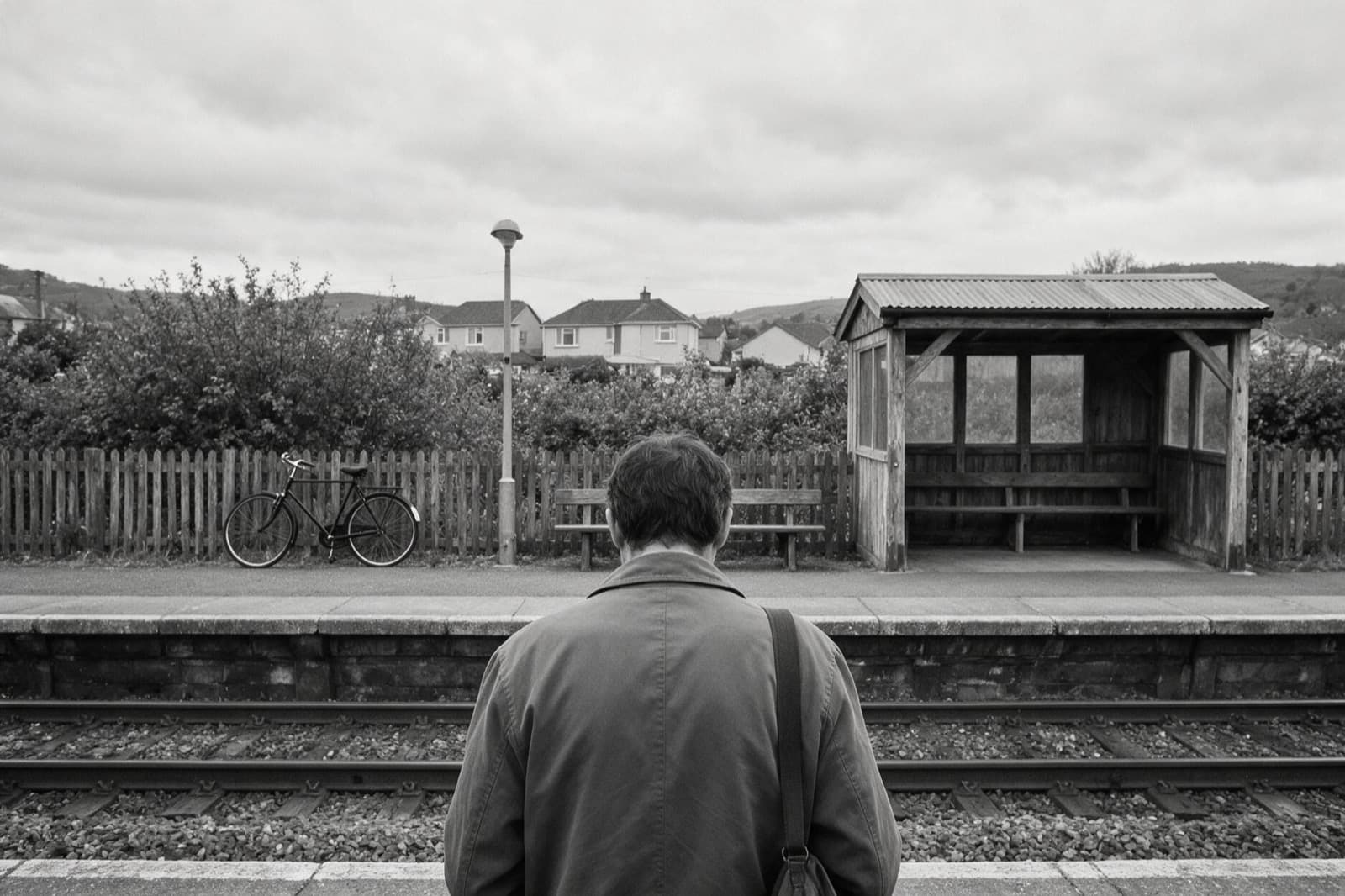 BF-007International search for a personif contact was lost after a relocation but there is no reason to fear for the person's safetylocating a personnature of the matter12 daysengagement duration4 jurisdictionsгеография
 BF-004Protecting a child's interests in an international family disputeif the matter concerns a child and the question moves into the legal domainthe interests of the childsubject of the work17 daysengagement duration3 jurisdictionsгеография
 BF-003Documenting the factual circumstancesif what is needed is verifiable material for lawyers, rather than a search for a personcorporate disputenature of the matter26 daysengagement duration4 jurisdictionsгеография
Has contact been lost in circumstances where you fear for the person's safety?
Describe the situation in general terms: when the last confirmed connection took place, what exactly you suspect, and what supports your legitimate interest. Do not send names, photographs, documents or any information that could identify a person. BLACKFILE will assess the legal basis for the matter and the possible engagement format.
If there are signs of an immediate threat, contact the police and the competent authorities of the relevant country. Do not send personal data through the initial form - a secure channel is arranged separately.